
Understanding the Essentials: What Makes Foam Ideal for Garden Cushions?
When it comes to garden cushions, not just any foam will do. The right foam needs the perfect balance of density and resilience. Density affects how firm and supportive the cushion feels, while resilience is about how well the foam bounces back after you sit. Outdoor cushions need foam that won’t flatten quickly but still feels comfortable.
One big difference from indoor foam is the open-cell structure. This design allows air to flow freely through the foam, helping it dry fast after rain or morning dew. Without good airflow, foam stays damp, which can lead to mold and unpleasant smells.
That’s where antimicrobial treatments come into play. These special finishes help keep bacteria, mold, and mildew from taking hold. It’s essential for garden cushions since moisture exposure is a constant challenge.
Outdoor foam also differs because it’s made to withstand the elements better than indoor upholstery foam. You want foam that won’t break down under sun, rain, or changing temperatures.
At USCushion, we’ve committed to producing eco-conscious, quick-drying garden foam that stays fresh and durable all season long. Our foams drain water efficiently and use treatments that protect against dampness—making them a smart, sustainable choice for your outdoor space.
Top Foam Types for Garden Cushions: Pros, Cons, and Best-Use Scenarios
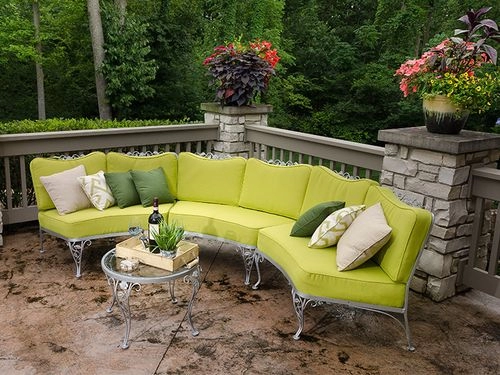
When choosing foam for garden cushions, picking the right type makes all the difference. Here’s a quick breakdown of the most popular options and where they shine:
| Foam Type | Pros | Cons | Best Use Scenario |
|---|---|---|---|
| Dry-Fast Foam | Drains water fast, mildew-resistant | Can feel firmer, less plush | Rainy climates, patio cushions |
| High-Density Foam | Holds shape well, long-lasting | Takes longer to dry | Heavy-use benches, sectional seats |
| Latex Foam | Natural, hypoallergenic, resilient | Higher cost, not as fast drying | Premium garden furniture pads |
| Polyester Fiber Fill | Soft, budget-friendly | Less durable, flattens quickly | Casual cushions, soft backs |
- Dry-Fast Foam is ideal for those dealing with frequent rain or humidity. Its quick drainage and mold-resistant features keep cushions fresh longer.
- High-Density Foam offers firm support and durability, perfect for garden benches or chaise lounges that see daily use.
- Latex Foam is a natural rubber option that’s both eco-friendly and hypoallergenic, great if you want premium comfort and sustainability.
- Polyester Fiber alternatives act as a soft, affordable fill but won’t last as long or resist mildew like foam options.
For custom garden cushions, you want to match foam with your furniture style and outdoor conditions. If you’re upgrading a patio set or replacing old pads, choosing waterproof and quick-drying foam ensures longevity and comfort.
For smart buying, check out our range of square custom outdoor furniture cushions that pair perfectly with these foam types. They combine durable covers with top-quality foam to fit most garden setups.
This table helps you pick the right foam based on durability, cost, dry time, and firmness tailored to outdoor seating:
| Feature | Dry-Fast Foam | High-Density Foam | Latex Foam | Polyester Fiber |
|---|---|---|---|---|
| Durability | High | Very High | High | Medium |
| Cost | Medium | Medium-High | High | Low |
| Drying Time | Very Quick | Slow | Medium | Medium |
| Firmness | Firm | Firm | Medium | Soft |
Selecting the right foam type sets you up for a comfy, long-lasting outdoor seating experience.
Key Factors to Consider Before Buying Foam for Your Garden Setup
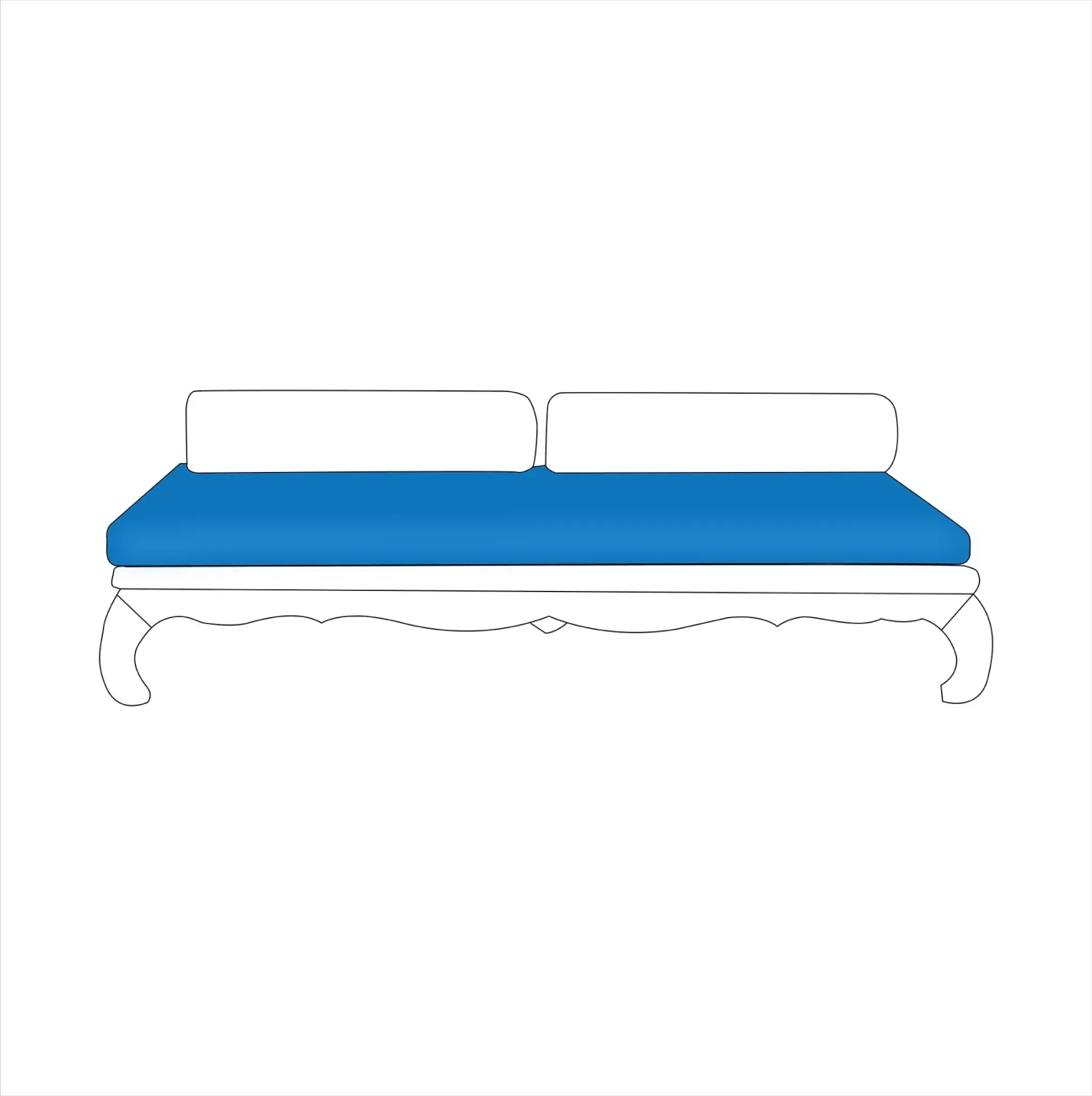
When choosing foam for your garden cushions, getting the right fit and feel is crucial. Start by measuring your furniture carefully—whether it’s a bench, Adirondack chair, or sectional—to ensure a custom foam fit that looks sharp and stays put. Ill-fitting foam can spoil comfort and wear out faster.
Next, consider firmness. If you’re a heavier user or plan to spend long hours on your outdoor seats, opt for firmer, high-density foam. Lighter or occasional users might prefer softer options for plush comfort. Matching foam firmness to your body weight and typical use helps cushions maintain shape and support longer.
Don’t forget the cover material. Foam works best paired with water-repellent, breathable covers like Sunbrella fabrics; this combo keeps both foam and cushions dry and mildew-free. Waterproof or quick-drying foam paired with quality covers extends cushion life significantly.
Budget also plays a key role. While premium foams like latex or high-density options cost more upfront, their durability often translates into better long-term value. For a cost-effective approach, try budget-friendly polyester fiber fills but expect them to wear out sooner. Weigh your expected use and how often you want to replace cushions to find the right balance.
Finally, if sustainability matters to you, look for eco-friendly foams with low VOC emissions—these are safer for your outdoor space and better for the planet. Many US manufacturers now offer greener foam options without sacrificing performance.
For well-sized and comfortable seating, explore our selection of custom patio cushions and specifically designed bench cushions tailored for garden furniture.
Step-by-Step Guide: Selecting and Installing Foam in Your Garden Cushions
Replacing foam in your garden cushions is easier than you might think. Start by assessing your existing cushions—look for signs like sagging, permanent indentations, or damp smells. These are clear flags that your foam needs an upgrade to keep your outdoor seating comfy and supportive.
Next, decide where to get your new foam. You can buy DIY foam sheets, which let you customize the size and thickness, or go for pre-cut foam inserts made specifically for garden furniture shapes. Both have pros: sheets are flexible and budget-friendly; inserts save you the cutting hassle and often come with durable covers.
When it’s time to install, follow these simple steps:
- Remove the old foam carefully from cushion covers.
- Cut the new foam to fit the cushion size if using sheets—sharp scissors or an electric knife help here.
- Wrap the foam with a Dacron layer to add softness and protect the foam core.
- Insert the foam back into the cover and secure the seams or zippers tightly.
This process works great for refreshing everything from bench cushions to Adirondack chair pads and full patio set upgrades. For tailored options that fit perfectly and last, check out USCushion’s range of custom cushions and hinged chair cushions. They make updating your outdoor cushions both simple and reliable.
Maintenance Mastery: Keeping Your Garden Cushion Foam Fresh Year-Round
To get the most out of your garden cushions, routine care is key. Start by regularly brushing off debris like leaves and dirt to prevent buildup that can cause mold or mildew. Spot-clean stains promptly with mild soap and water—avoid harsh chemicals that can break down the foam’s protective layers. When the seasons change, especially before winter, store cushions in a dry, ventilated area to extend foam life.
For weather-proofing, it helps to keep cushions elevated off damp surfaces and ensure good airflow. Using cushions filled with antimicrobial patio cushion foam can fight dampness and mold, keeping them fresher longer. If you notice minor sagging or small stains, reshape the foam or dab gently with cleaning solutions designed for outdoor upholstery.
When prepping for colder months, consider removing cushions entirely or covering them with waterproof protectors. This winterizing step prevents moisture damage and preserves the foam’s resilience for spring use. Following these care tips means your garden foam stays comfortable and durable through every season, whether on a deck or in your backyard seating area. For an easy refresh or replacement, USCushion offers a range of custom foam options designed to fit your outdoor furniture perfectly.
Real-World Wins: How USCushion Foam Elevates Garden Living
Many garden furniture owners have seen a noticeable boost in comfort and durability after switching to USCushion foam. In one case, a family replaced their old patio bench cushions with USCushion’s high-density, quick-drying foam. Not only did the cushions keep their shape through rainy seasons, but the antimicrobial treatment also prevented mold buildup, making outdoor relaxation more enjoyable.
Users often praise the foam’s easy installation and lasting quality. One customer mentioned how the quick-drain foam held up during heavy Midwest rains without sagging or losing firmness. Another appreciated the eco-friendly latex foam option for its natural feel and resistance to allergens. These real experiences highlight how the right foam transforms everyday outdoor seating into a cozy retreat.
For those wanting to fine-tune their garden cushions, experts recommend layering different foam densities to balance softness with firm support. For example, combining a resilient base layer with a plush top layer offers both durability and cushy comfort tailored perfectly for benches or chaise loungers. USCushion’s custom foam options make it easy to get the perfect fit for any garden piece, whether a classic Adirondack chair or a sectional sofa.
If you’re ready to upgrade your garden cushions, check out USCushion’s selection of custom bench cushions to find the ideal foam that blends durability, quick drying, and eco-friendly benefits—all designed for lasting comfort outdoors.
